Deactivators and verifiers
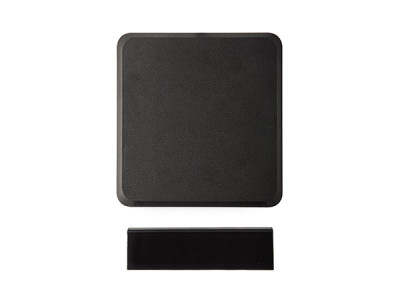
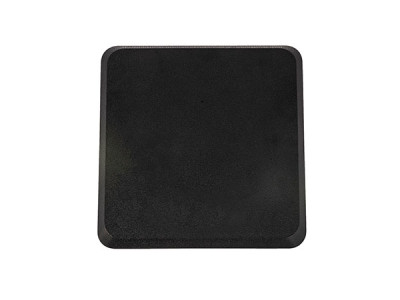
EAS tag deactivators and verifiers are key devices that support the EAS system in the checkout area. They enable the rapid deactivation of security tags and verification that they have been successfully deactivated, minimising the risk of false alarms. Nova’s range includes solutions designed specifically for clothing and grocery shops, chemists, large-scale retail outlets and more.
What are EAS label deactivators and activators?
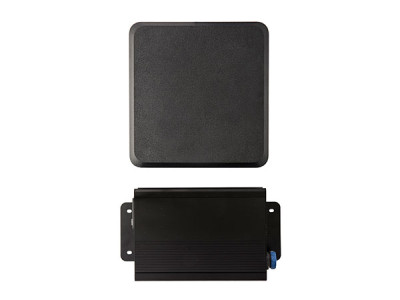
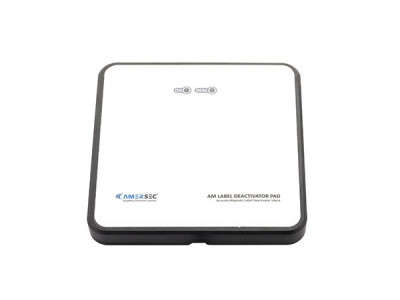
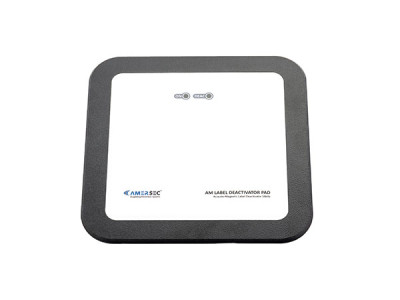
An anti-theft tag deactivator is a device usually installed at the till, which deactivates security tags (including RF, AM and EM) at the point of sale. In the case of EM technology, it is also possible to reactivate the tag, which is used, for example, in libraries.
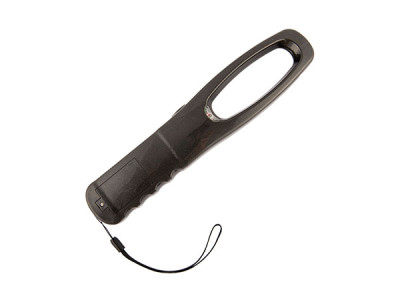
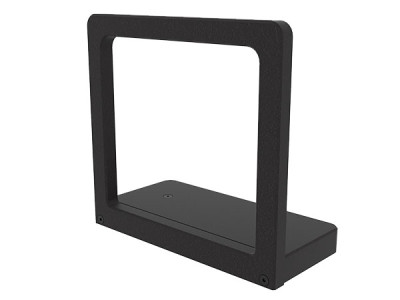
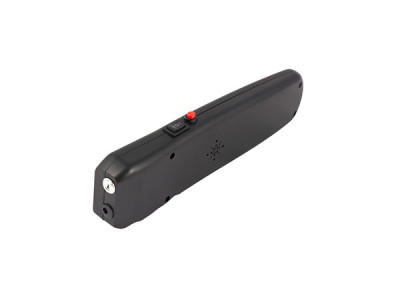
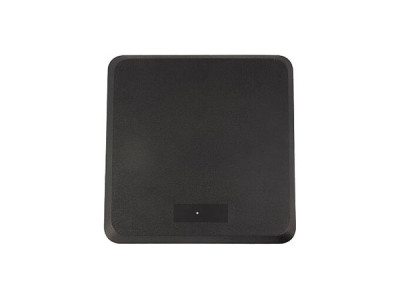
An EAS label verifier, on the other hand, is a monitoring device that checks whether a label has been correctly deactivated before the customer leaves the detection zone.
What are the differences between a deactivator and a label verifier for gates?
The deactivator is responsible for physically deactivating the security tag, whilst the gate label verifier is used to check that this process has been carried out correctly. Both devices work with EAS systems, but fulfil different functions in the retail loss prevention process.
|
|
Anti-theft tag deactivator
|
EAS label verifier
|
|
Main task
|
Deactivating a label at the till
|
Checking that deactivation has been carried out correctly
|
|
Installation site
|
POS terminal or till
|
Security checkpoint or checkout area
|
|
Technologies
|
AM, RF, EM
|
AM, RF, EM
|
|
Effect
|
No alarm on exit
|
Eliminating errors and false alarms
|
|
Additional features
|
POS integration, signalling
|
Detection, visual and audible signalling
|
Where are these types of anti-theft accessories most effective?
Anti-theft accessories, such as deactivators and validators, are used wherever EAS systems are in operation and where a smooth customer experience and a high detection rate are crucial. They are particularly effective in clothing and footwear shops, supermarkets, chemists and perfumeries, electronics and household appliance shops, as well as libraries and public institutions.
What types of anti-theft tag deactivators do we offer?
Nova’s range includes advanced verification and deactivation devices compatible with various EAS technologies. They are designed to support cashiers’ efficiency and to integrate seamlessly with the shop’s infrastructure.
Our product range includes, amongst other things:
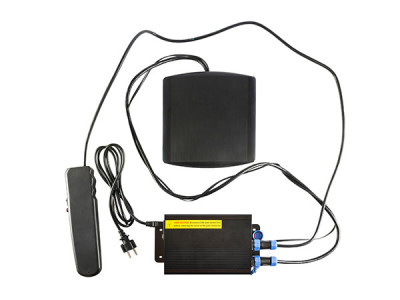
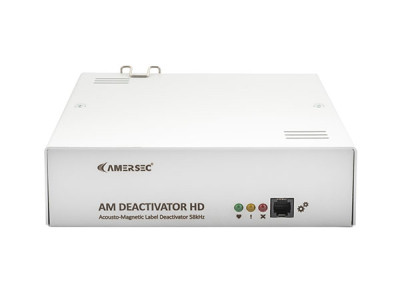
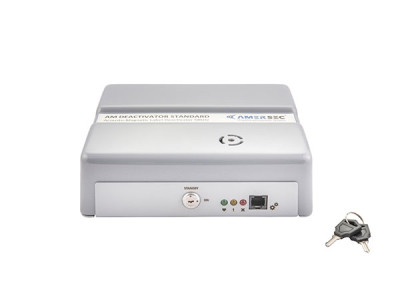
- AM and RF tag deactivators – standard devices for installation at the till,
- magnetic deactivator (EM) – with a label reactivation function,
- Checkout label deactivator with POS integration – compatible with scanners and scales,
- models with an extended deactivation range (up to approx. 15–18 cm),
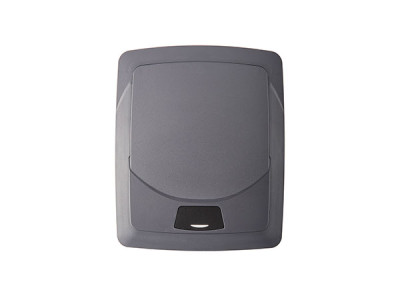
- EAS label verifier – checks that deactivation has been carried out correctly.
What makes Nova’s magnetic verifiers and deactivators stand out?
Our solutions are developed using the very best components and drawing on many years of experience, as evidenced by over 8,000 successful projects. This enables us to offer label verifiers and deactivators for use at the till, which:
- ensure a high level of deactivation (or verification) efficiency,
- are compatible with EAS systems (AM, RF, EM) and accessories available on the market, including labels and clips,
- enable integration with POS terminals and self-service checkouts,
- have a clear audible signal and light,
- minimise the risk of false alarms and improve customer service,
- are covered by Nova’s technical support throughout Poland and abroad.
You’ll also find compatible products in our range labels and clips AM, EM i RF.
FAQ
Where is the best place to install a label deactivator at the till?
It is most commonly installed directly at the POS terminal, so that it is within easy reach of the cashier, or as a solution integrated with a scanner.
Is an EAS label scanner essential in a shop?
It is not compulsory, but it significantly reduces false alarms and improves the customer experience.
Does the magnetic deactivator allow the label to be reactivated?
Only in With EM technology, it is possible to both deactivate and reactivate the safety feature.